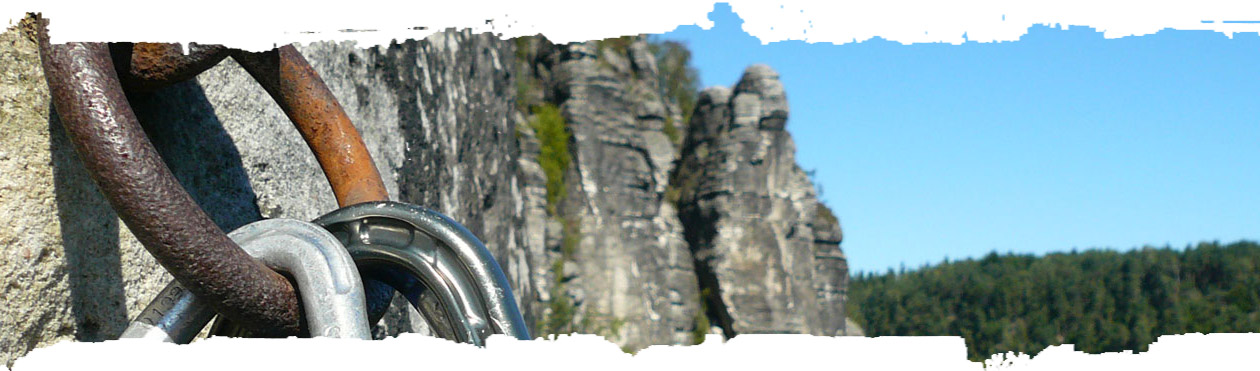
The 30 climbing areas / gardens described in the climbing guide are located on the Asiago Plateau and in the Grappa Massif of the Venetian Prealps. The climbing guide sees itself as an update of the Dal Brenta al Piave - climbing guide, because between the publication of the two topos are more than 10 years. The 7C in the name of the book are derived from the 7 Comunas in which, among others, the areas are located. So do not worry, you would not have to climb equal or harder than 7c French. Scale. The areas presented invite climbers of all difficulties and preferences. a lot is offered and this at summer favorable conditions, because mabn climb at higher altitudes. GPS data, QR codes, site plans and solid fern photo topos quickly facilitate selection and support relaxed approach and wayfinding. Route selection is made concrete by pictograms, route length/height, and difficulty.A lot of additional information and great impressions of the landscape and the climbing encourage to visit this area.480 pagesLanguage Italian / EnglishEdition 2023M. Burato, N. Rossi, J. GuderzoIdea Montagna
The Schievenin valley in the Venetian Prealps is far away from the big cities and offers untouched and fascinating nature. 60 sectors / walls with countless sport climbing routes offer plenty of climbing opportunities. Fans of multi-pitch routes will not be happy here. The guide does not present much more than a handful. The difficulties of the routes are in almost all ranges, only the really hard routes are missing. In the guidebook, the routes / topos are offered as graphics and also as color photos. Everything is described bilingually, in Italian and English. The last chapter of the climbing guide presents 7 extensive and sometimes challenging hikes in the area.208 pagesLanguage Italian / English Edition 2023P. Verri
The slightly offshore massif of Monte Grappa, 1775 m high, forms the southern end of the Dolomites in front of the Venetian plain. Directly on its western flank runs the deeply incised Brenta Valley, which is joined by the Vizentine Alps. To the east, the Piave River separates the Grappa Massif from the southern Carnic Alps.The climbing gardens described in this climbing guide are distributed from east to west on the Grappa massif, the Brenta canal and the Asiago plateau. A total of 16 climbing gardens found their way into the guide. Climbing is done throughout in the best limestone. The difficulties are mainly in the 6th and 7th French degrees, although aspirants for easier, as well as more difficult routes get their money's worth. However, the choice of routes is not as abundant. The areas described are purely sport climbing - there are (almost) exclusively best secured single pitches.The presentation of each climbing garden starts with a short introduction and a description of the location, available parking, access and approach, climbing possibilities in case of rain.The individual sectors of the areas are shown in good sketches - in addition, GPS coordinates are given for all sectors as well as the corresponding parking facilities. All walls are described in great detail via pictograms. There is information on orientation, access time, height/rope length, type of protection, climbing style, child-friendliness as well as a list of the included routes by number and grade.For the individual routes, additional information is provided on grade, length, protection and enjoyment factor. The clarity of the topos is quite good. Superimposed on detailed sketches, they are easy to read throughout.288 pagesLanguage Italian / English / German1st edition 2012A.Battaglia, S. Boato, S. CasarottoIdea Montagna
We use cookies (including third party cookies) to provide you with the best possible service. Some of them are essential, while others help us to improve this website and your experience of it. You have the right to withdraw your consent at any time. You can find more information on Privacy policy.